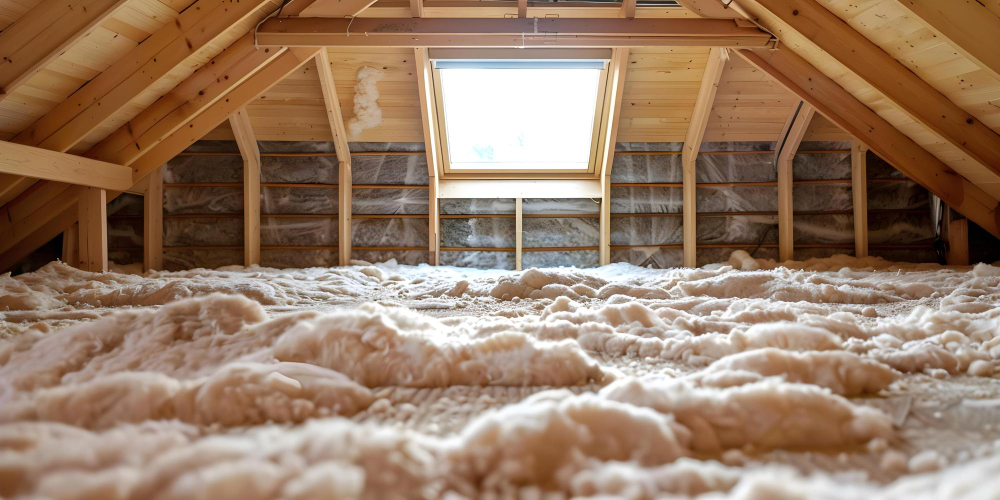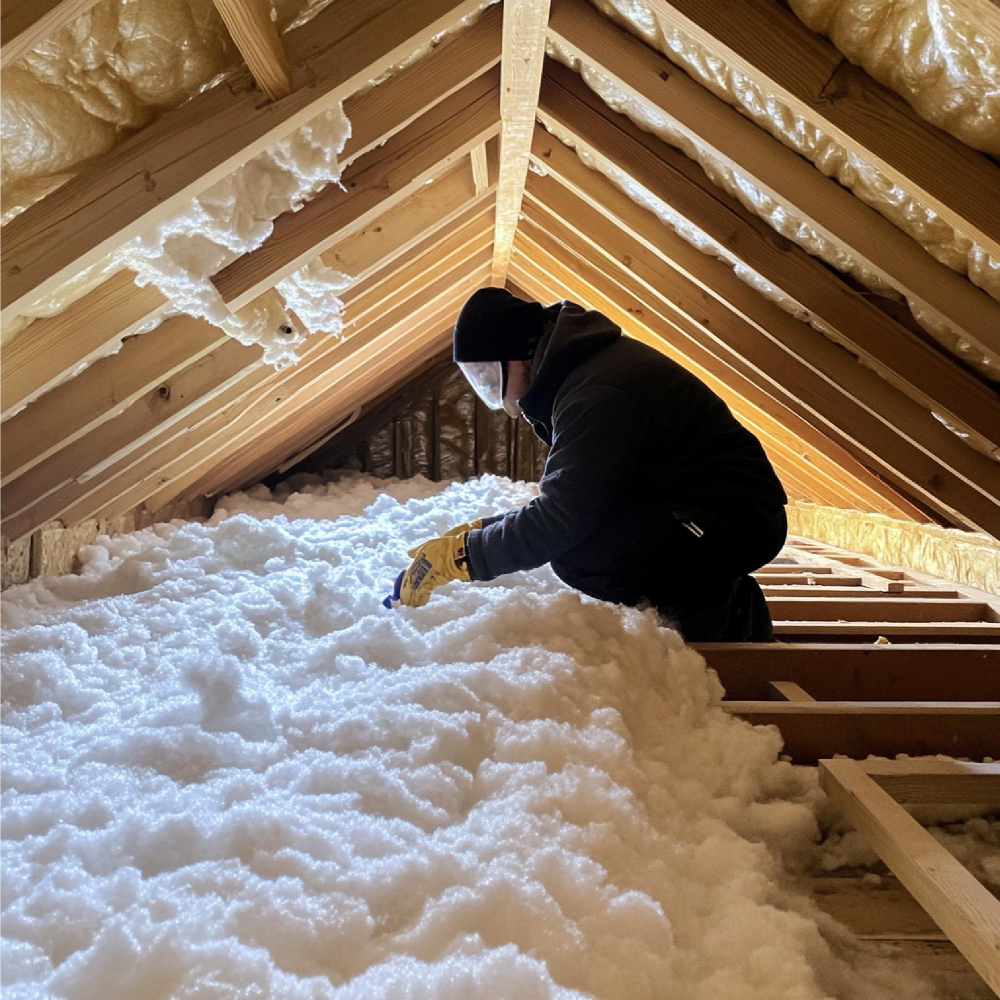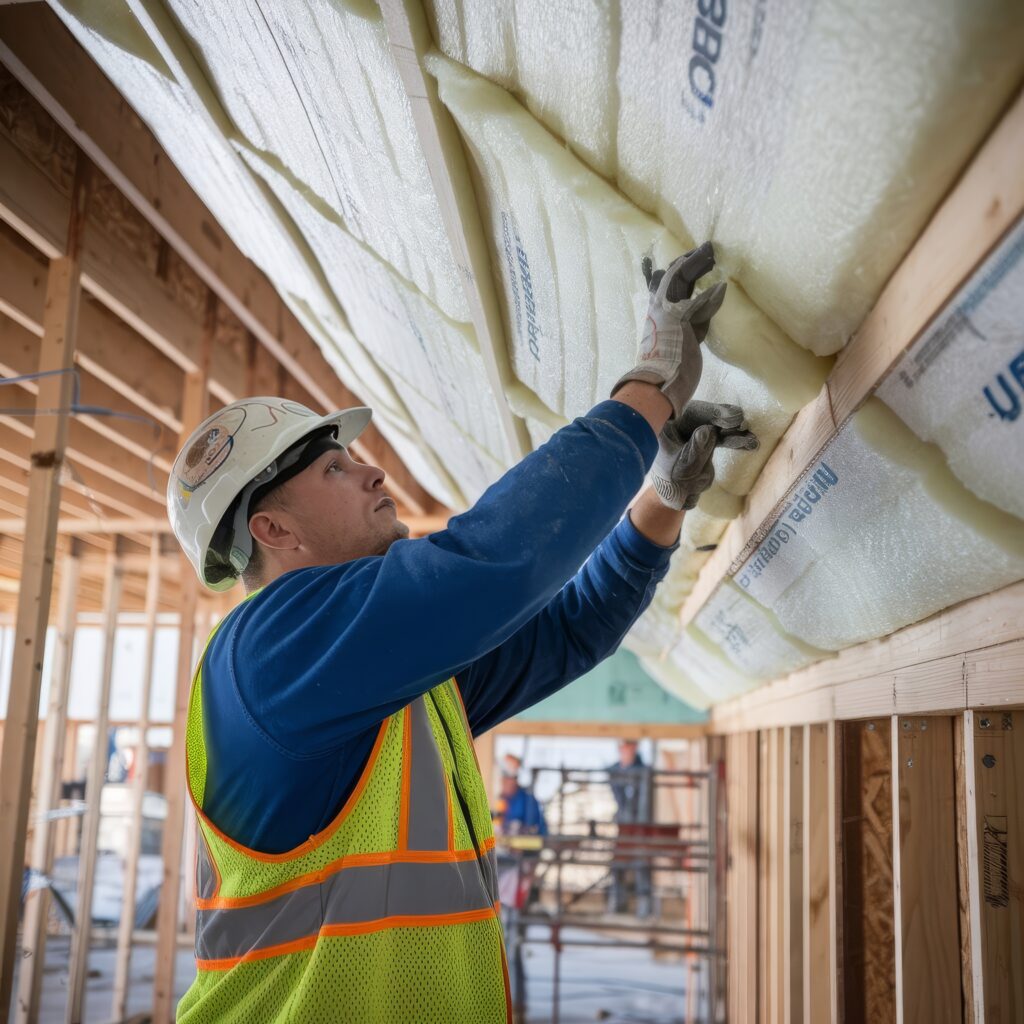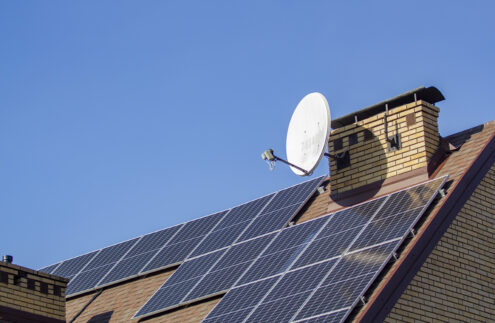
Up to 25% of your home’s heat can be lost through the roof without proper loft insulation. GK Heating offers professional loft insulation services that trap heat inside your home, keeping it warmer in winter and cooler in summer. We use high-quality materials that meet modern energy efficiency standards, helping you reduce energy bills and carbon emissions. Proper insulation also supports your heating system by maintaining stable indoor temperatures. It’s a fast, cost-effective way to improve home comfort and sustainability.


We begin with a no-obligation consultation to understand your needs. Our experts assess your property and recommend the best heating or energy solution tailored to your home or business.

Based on your requirements, we provide a clear and competitive quote. We then create a detailed installation plan, ensuring efficiency, minimal disruption, and compliance with current regulations.
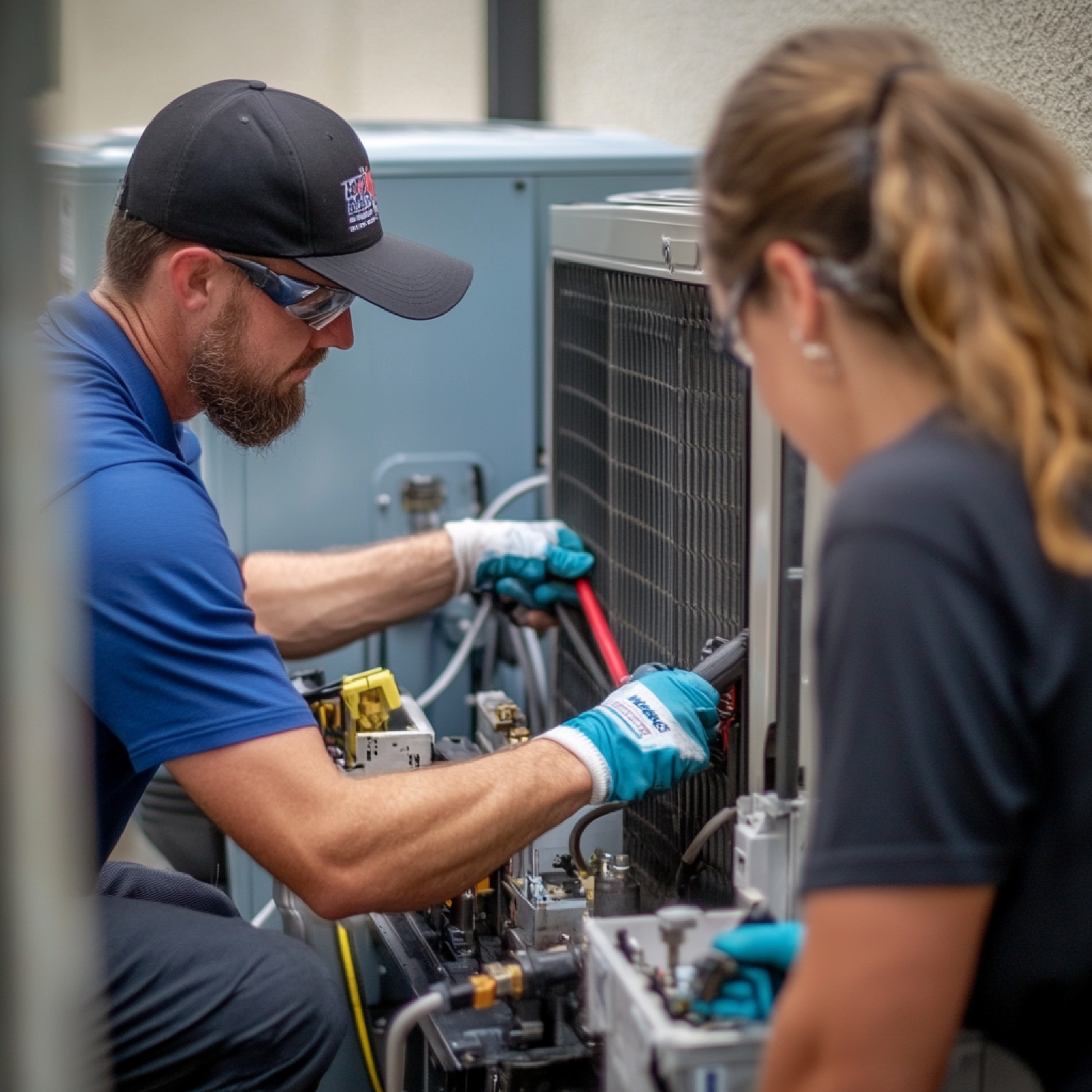
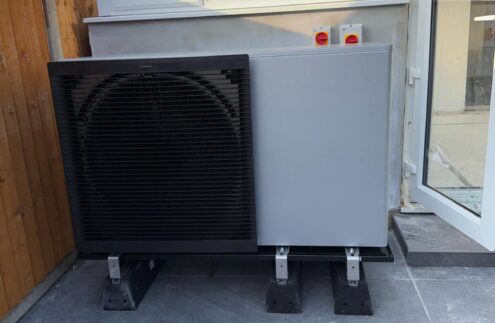
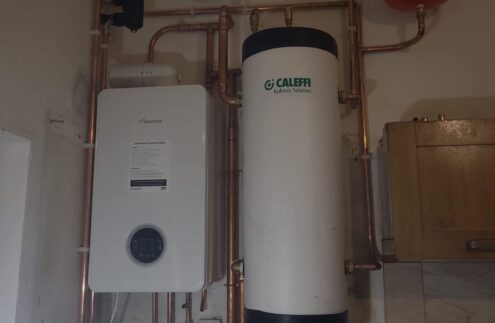
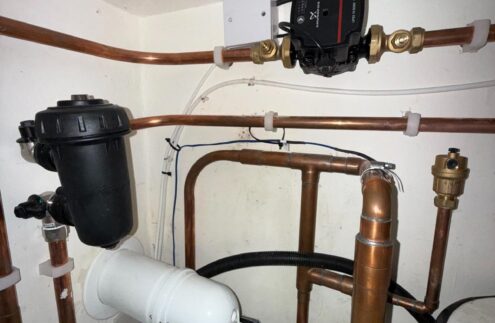
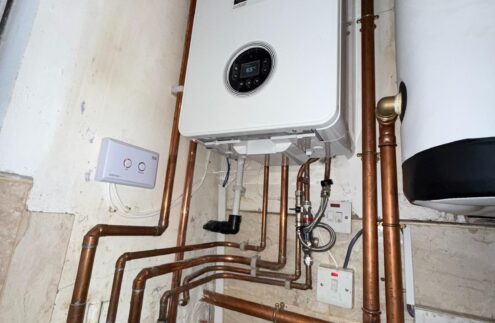
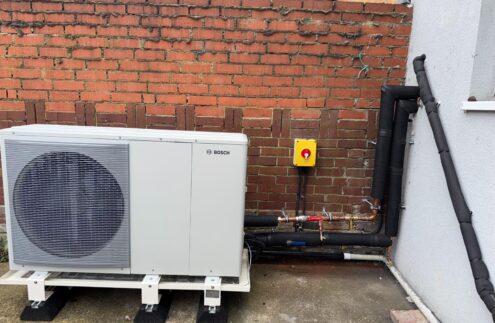
Our certified engineers carry out the installation with precision and care. Whether it’s a boiler, heat pump, insulation, or solar panels — we use high-quality materials and industry-leading practices.

Once the job is done, we don’t just walk away. We offer after-installation checks, guidance on system use, and ongoing maintenance to keep everything running smoothly for years to come.


From Repairs to Full Installations – We've Got You Covered
The cost of loft insulation depends on the size of the loft, the insulation material, the existing insulation and the complexity of the installation. A property assessment can help determine the most suitable solution and provide an accurate quotation.
Loft insulation slows heat loss through the roof, helping your home retain warmth for longer. This can reduce the amount of energy needed for heating, although actual savings depend on your property’s condition, heating habits and energy prices.
Not necessarily. Costs depend on the type of heating system, energy tariffs, property insulation and household heating habits. Storage heaters may benefit from off-peak electricity, while other systems may be more economical in different circumstances.
Loft insulation can improve energy efficiency by reducing heat loss through the roof. It may also help make rooms more comfortable and reduce heating demand. The benefits depend on the existing insulation, property design and installation quality.
Some accessible lofts can be insulated as a DIY project, provided the work can be carried out safely and ventilation is maintained. However, professional installation may be preferable where access is difficult, existing insulation needs attention or electrical and moisture-related risks require assessment.
Loft insulation can last for many years when correctly installed and kept dry. Its condition may be affected by moisture, pests, compression or damage. Inspect it periodically and arrange an assessment if it becomes damp, displaced or deteriorated.
Loft insulation itself does not automatically cause damp, but problems can occur if roof leaks, inadequate ventilation or moisture from the living space are not addressed. Proper installation should consider roof ventilation, air leakage and the building’s moisture conditions.
In many cases, additional insulation can be installed over existing material if it is dry, in reasonable condition and suitable for the loft. Damp, damaged or compressed insulation should be assessed first, and ventilation must not be blocked.
Signs may include insulation that is below the recommended depth, noticeable heat loss through the upper floor, or high heating demand. The most reliable approach is to inspect the existing insulation and assess whether an upgrade would benefit your property.