
- +447988602645
- Minterne Waye, Hayes, UB4 0PF
- info@gkheatingltd.co.uk

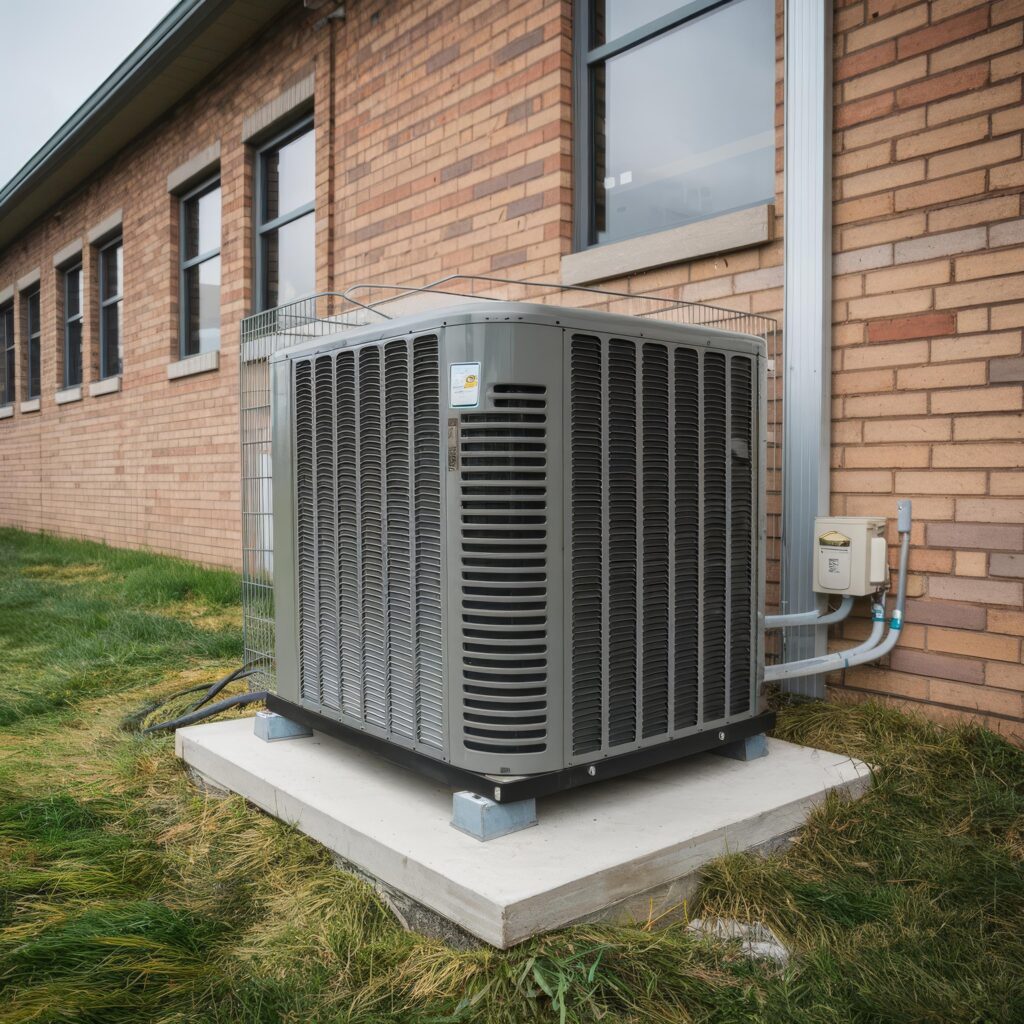
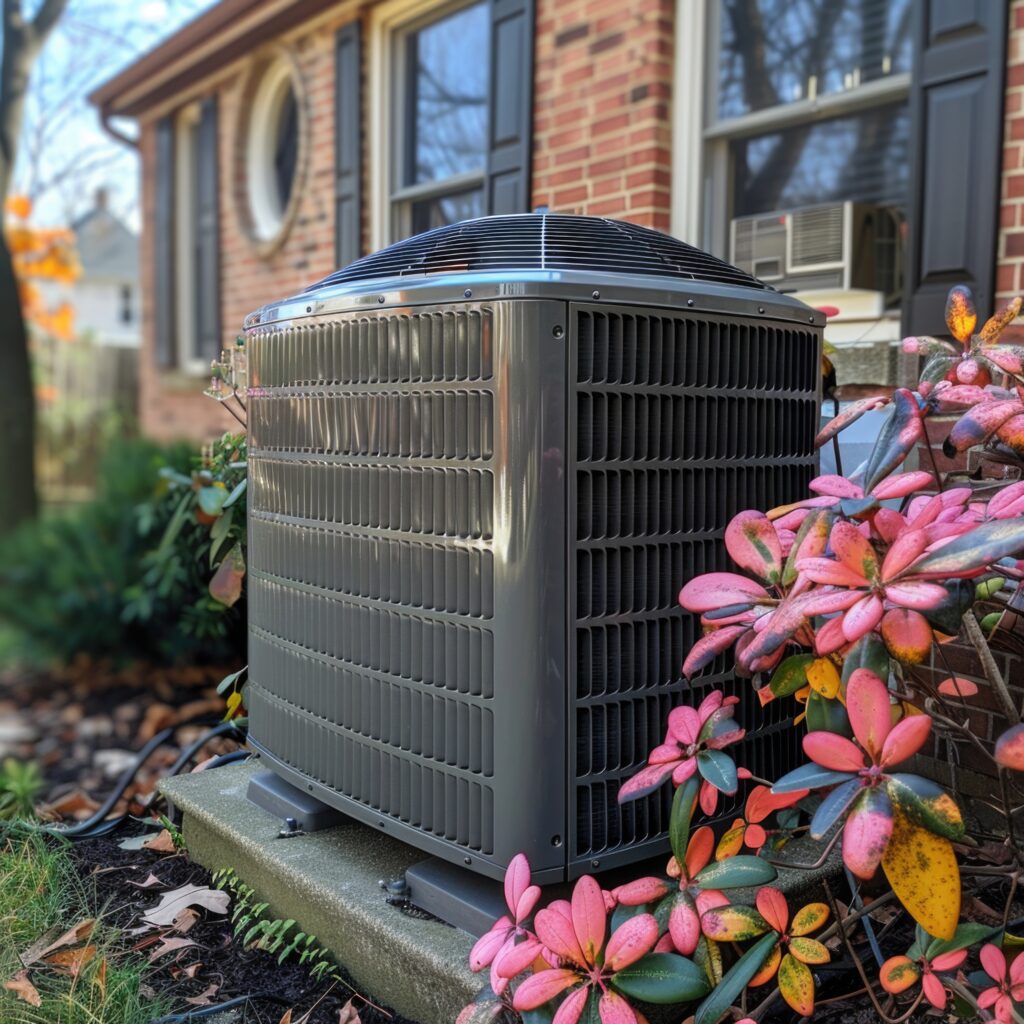
A hybrid heat pump system combines a traditional gas boiler with an air-source heat pump for maximum efficiency and flexibility. It automatically switches between energy sources based on which is most efficient at any given time. This setup helps you save on heating costs while ensuring your home stays warm during extreme temperatures. GK Heating installs and configures advanced hybrid systems tailored to your specific property needs. It’s a great solution for homeowners looking to transition towards greener energy while retaining reliability.
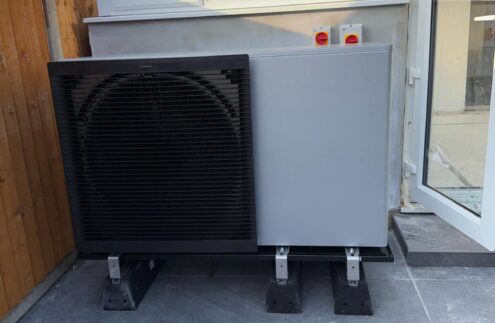
A hybrid air source heat pump combines an ASHP with your existing heating system, helping provide efficient heating while maintaining comfort during colder periods and extreme temperatures.
Disclaimer: Potential savings depend on your existing heating fuel, energy tariff, property characteristics and individual energy usage. Actual savings will vary from customer to customer.
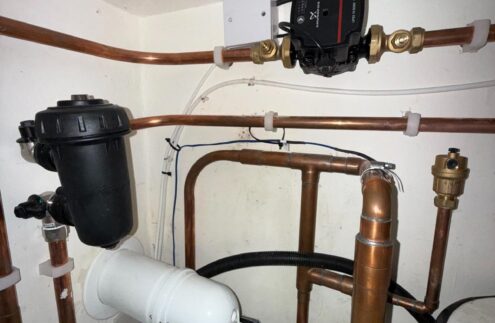
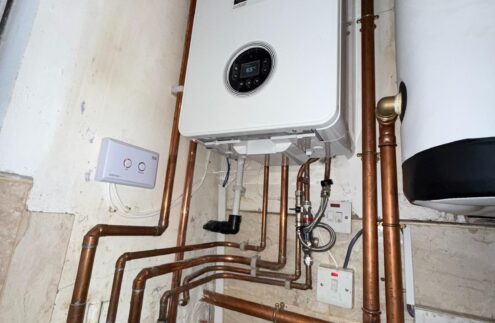
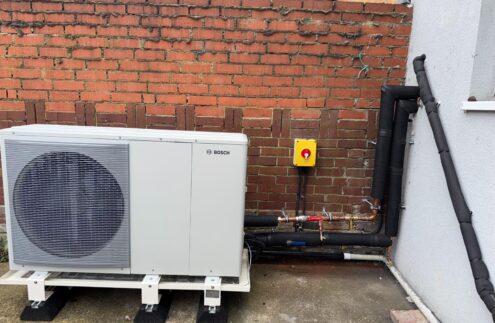
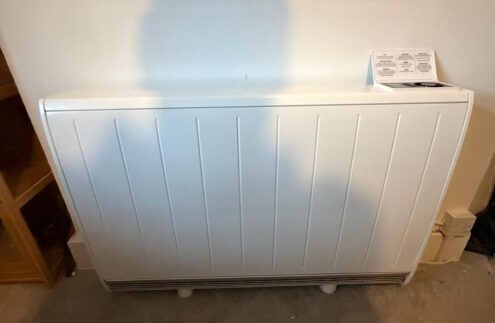

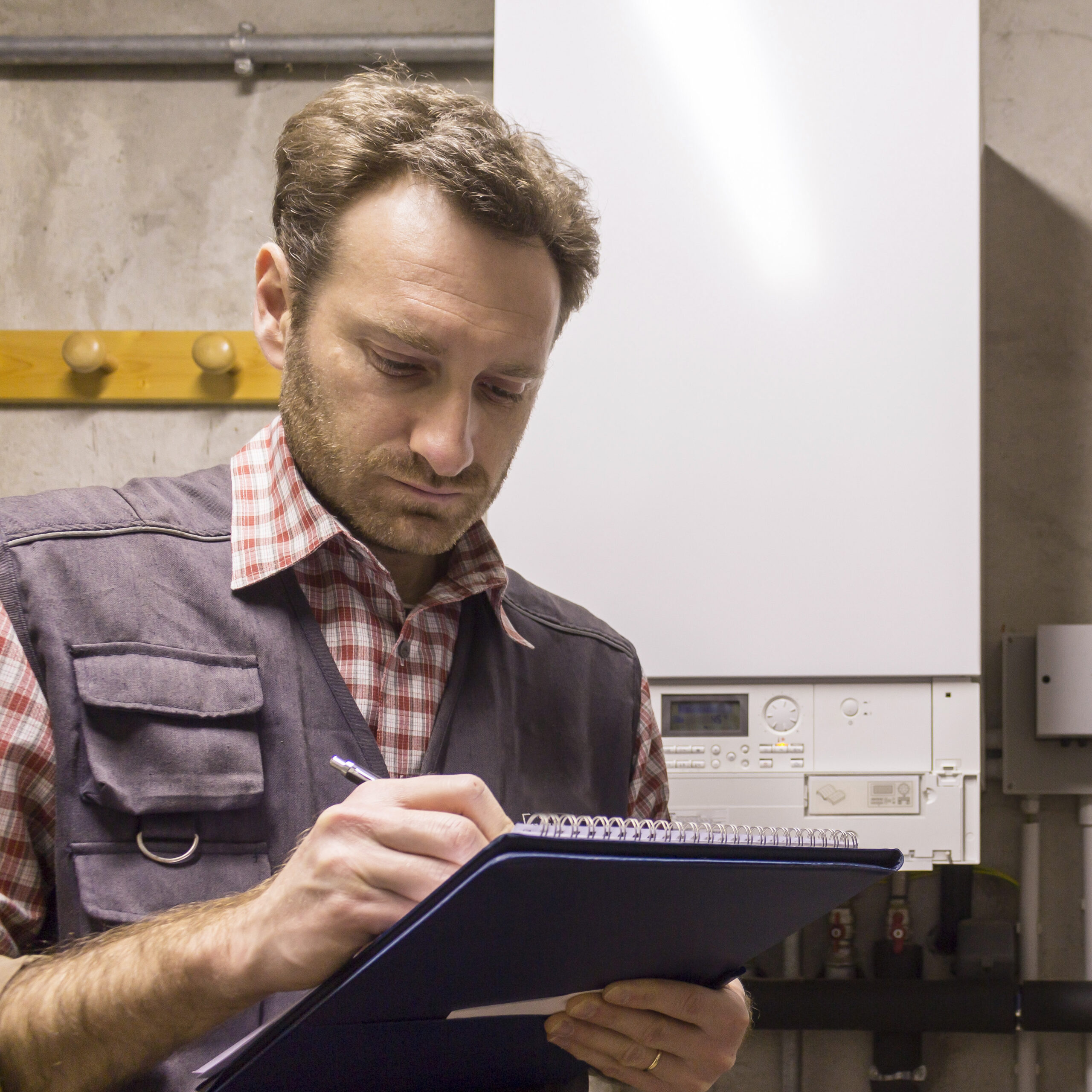
We begin with a no-obligation consultation to understand your needs. Our experts assess your property and recommend the best heating or energy solution tailored to your home or business.

Based on your requirements, we provide a clear and competitive quote. We then create a detailed installation plan, ensuring efficiency, minimal disruption, and compliance with current regulations.
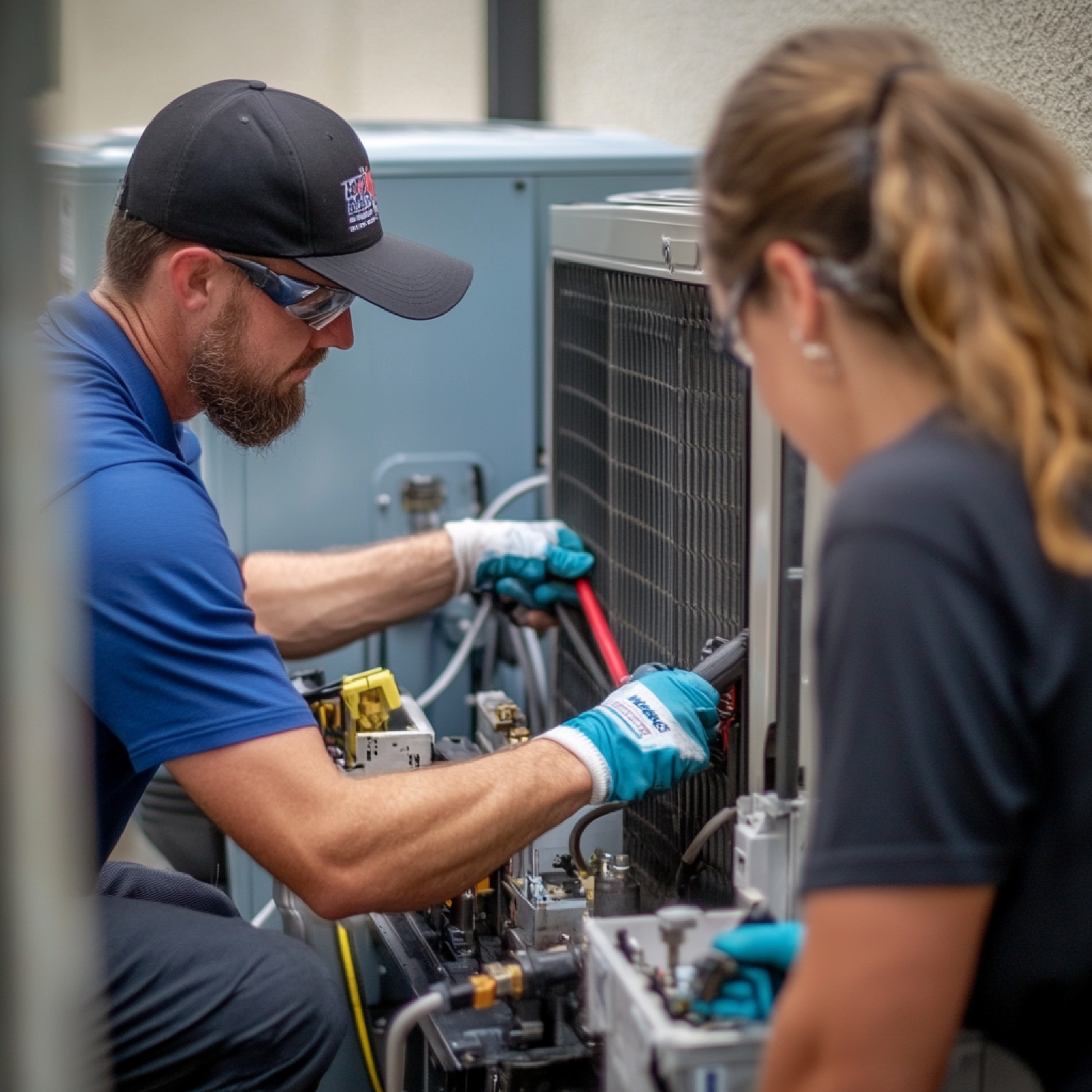
Our certified engineers carry out the installation with precision and care. Whether it’s a boiler, heat pump, insulation, or solar panels — we use high-quality materials and industry-leading practices.

Once the job is done, we don’t just walk away. We offer after-installation checks, guidance on system use, and ongoing maintenance to keep everything running smoothly for years to come.
From Repairs to Full Installations – We've Got You Covered
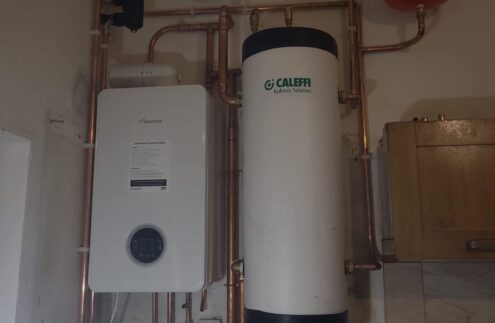
A hybrid heat pump system combines an air source heat pump with a conventional boiler, usually a gas boiler. The system can use either heat source, or both where the controls and design allow, depending on heating demand, outdoor temperatures and operating costs.
The heat pump extracts heat from outdoor air to warm your home. When additional heat is needed, or when the system’s controls determine that using the boiler is appropriate, the boiler can provide supplementary heating or hot water, depending on the system design.
Installation costs depend on the heat pump size, boiler compatibility, existing heating system, property insulation and the work required. A site assessment is the best way to establish the total cost for your property.
In many cases, a hybrid system can be designed to work with an existing boiler, provided it is suitable and compatible. An installer will need to assess the boiler’s condition, heating controls, pipework and the proposed heat pump before confirming suitability.
They can be suitable for some older properties, including homes where upgrading the entire heating system may be challenging. However, insulation, heat loss, radiator capacity and the condition of the existing boiler must be assessed before choosing a system.
Yes. The air source heat pump can continue extracting heat from outdoor air in cold weather, although its efficiency and output may decrease as temperatures fall. The boiler can provide additional heat when required, depending on the system’s design and controls.
Neither option is best for every property. A hybrid system retains a boiler as an additional heat source, while a standalone air source heat pump can meet the home’s heating demand without relying on a boiler when correctly designed. The most suitable option depends on your property, heating requirements and budget.
Follow the manufacturers’ maintenance recommendations for both the heat pump and boiler. Regular checks can help identify faults and maintain safe, effective operation. Gas boiler servicing must be carried out by a suitably qualified Gas Safe registered engineer.
