
Understanding Boiler Pressure: What Every UK Homeowner Should Know
Lowering your boiler pressure plays a vital role in keeping your central heating system running efficiently. Whether you have a combi, system, or regular boiler, maintaining the correct pressure ensures hot water circulates properly through your radiators and taps. If the pressure is too high or too low, your boiler may become less efficient, develop faults, or even stop working altogether.
Understanding how boiler pressure works can help you identify problems early, avoid costly repairs, and keep your heating system operating safely all year round.
What Is Boiler Pressure?
Boiler pressure refers to the force of the water circulating within your central heating system. This pressure allows heated water to travel through your pipes and radiators, ensuring every room in your home receives consistent warmth.
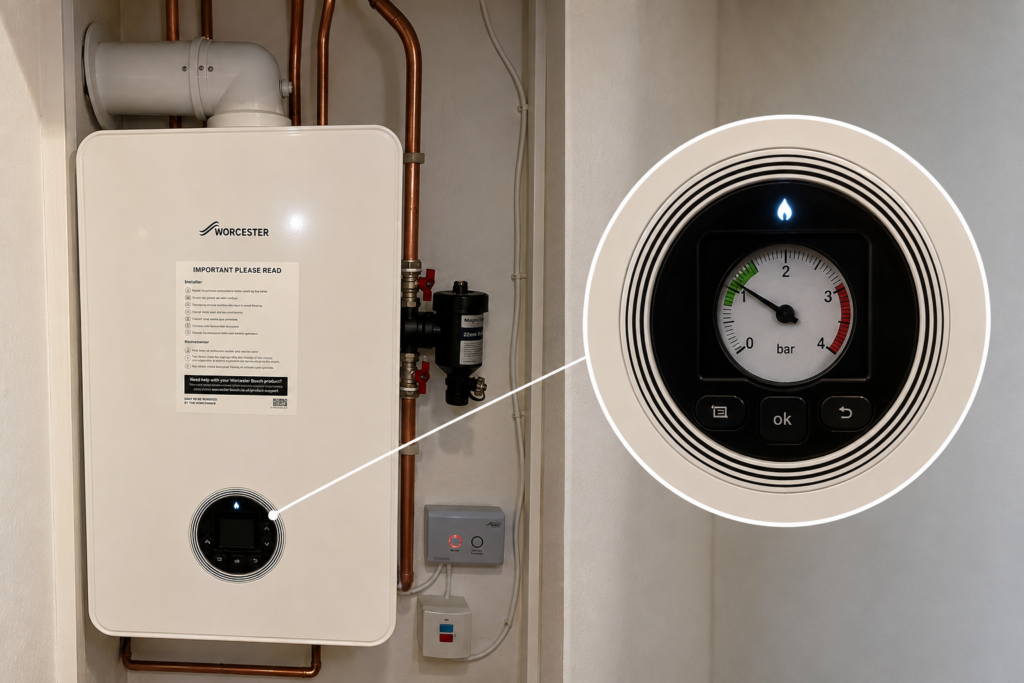
Most modern UK boilers have a pressure gauge located on the front of the appliance. Under normal conditions, the ideal pressure is usually between 1 and 1.5 bar when the system is cold. When your heating is running, the pressure may increase slightly, but it should generally remain below 2.5 bar.
If the pressure falls outside this range, your boiler may not perform efficiently and could require attention.
Why Is Correct Boiler Pressure Important?
Maintaining the correct boiler pressure is essential for both efficiency and safety. Low pressure can prevent your radiators from heating properly, while high pressure places unnecessary strain on the boiler's internal components.
Poor heating performance
Uneven radiator temperatures
Higher energy bills
Poor heating performance
Uneven radiator temperatures
Reduced lifespan of the heating system
Regularly checking your pressure gauge is one of the easiest ways to identify potential issues before they become expensive repairs.

Why High Boiler Pressure Is a Concern?
High boiler pressure should never be ignored. When pressure becomes too high, it increases stress on the boiler, pipework, valves, and seals.
Modern boilers include a pressure relief valve designed to release excess pressure automatically. While this protects the boiler from damage, frequent discharge usually indicates an underlying problem that requires professional attention.
Common causes of high boiler pressure include:
- An overfilled heating system
- A faulty filling loop
- A damaged expansion vessel
- Trapped air within the system
- Faulty pressure relief valve
Leaving high pressure unresolved can result in leaks, reduced efficiency, and costly repairs.
Signs Your Boiler Pressure Is Too High
Fortunately, there are several warning signs that indicate your boiler pressure may be too high. The most obvious is the pressure gauge itself. If the needle regularly sits above the recommended range or enters the red zone, your boiler needs attention. Recognising these symptoms early can help prevent more serious heating problems.
- Water leaking from the pressure relief valve
- Boiler dripping water from a pipe
- Pressure increasing every time the heating is switched on
- Loud banging or hissing noises
- Uneven radiator heating
- Frequent boiler shutdowns
- Error codes on the display panel
Safety Precautions Before Lowering Boiler Pressure
Before making any adjustments to your boiler pressure, it’s important to follow a few basic safety precautions.
First, switch the boiler off and allow it to cool completely. Attempting to adjust pressure while the appliance is hot can be dangerous and may result in inaccurate pressure readings.
Always refer to the manufacturer’s instructions for your specific boiler model. Different boilers have different controls, and following the correct procedure helps avoid accidental damage.
If you’re unsure about any step, it’s always safer to contact a Gas Safe registered engineer rather than attempting repairs yourself.
How to Lower Boiler Pressure?
Before making any adjustments, switch the boiler off and allow it to cool completely — attempting to adjust pressure while the appliance is hot can be dangerous and may give inaccurate readings. Always refer to your manufacturer's instructions, and if you're unsure about any step, contact a Gas Safe registered engineer rather than attempting repairs yourself.
Switch off and let the system cool
Turn off the heating and wait for the boiler to cool completely before touching anything.
Check the pressure gauge
Confirm the reading is genuinely above the recommended level before taking action.
Bleed a radiator
This releases trapped air and a small amount of water, often bringing pressure back to a safe level.
Watch the gauge as you go
Never keep releasing water without checking — going too low creates a different problem.
Common Mistakes to Avoid
Many homeowners accidentally make the problem worse when trying to adjust boiler pressure.
Some of the most common mistakes include attempting repairs while the boiler is still hot, releasing too much water, ignoring the pressure gauge, or repeatedly topping up the system without identifying the underlying fault.
Another common mistake is overlooking annual boiler servicing. Regular maintenance helps detect worn components before they develop into expensive repairs.
Frequently Asked Questions
How can I lower boiler pressure without bleeding radiators?
You can lower boiler pressure by releasing a small amount of water from the system or adjusting the pressure relief valve if recommended by the manufacturer. If you’re unsure, contact a Gas Safe registered engineer to avoid damaging your boiler.
Is 2.9 bar too high for a boiler?
Yes. A boiler pressure reading of 2.9 bar is generally considered too high. Most UK boilers should operate between 1 and 1.5 bar when cold and remain below 2.5 bar during normal use. Persistent high pressure should be investigated by a professional.
Will my boiler explode if the pressure is too high?
Modern boilers are fitted with safety features, including a pressure relief valve, making an explosion extremely unlikely. However, consistently high pressure can damage internal components, cause leaks, and reduce your boiler’s efficiency. It’s important to have the issue checked promptly.
Will boiler pressure go down on its own?
Boiler pressure may drop slightly as the heating system cools, but if it remains too high, it usually won’t return to the correct level on its own. Persistent high pressure often indicates an underlying issue that should be inspected.
How do I lower pressure on a Vaillant boiler?
First, switch off the boiler and allow it to cool. Check that the filling loop is fully closed, then bleed a radiator if needed to reduce the pressure. If the pressure continues to rise, contact a Gas Safe engineer to inspect your Vaillant boiler.
How do I lower pressure on a Worcester boiler?
To lower pressure on a Worcester boiler, turn off the heating, let the system cool, and ensure the filling loop is closed. If the pressure remains high, bleeding a radiator can help. If the problem persists, arrange a professional inspection to identify the cause.